


-
Most creators are on a stuck on a hamster wheel posting and hoping they make sales.
Sales Attraction Content Flow helps you strategically create a valuable content plan around your offers so that you can build trust, authority and search discoverability in your industry.
Download the template below. 👇File Type: pdf0 Comments 0 Shares 1K Views 0 Reviews -
Why am I building an online coaching business?
Because this is all I have left—my knowledge.
I’m starting over at 50 after building businesses, losing businesses, making mistakes, and learning lessons I wish someone had taught me years ago.
Instead of keeping those lessons to myself, I’m sharing everything I know with anyone trying to make better business decisions, build multiple income streams online, and create real financial freedom.
I’m done waiting until everything is perfect.
I’m building this coaching business in public—mess, lessons, wins, setbacks, and all.
If you’re starting over, rebuilding, or finally ready to bet on yourself…
Come build with me.
#StartingOver #OnlineCoachingBusiness #BuildInPublic #DigitalBusinessWhy am I building an online coaching business? Because this is all I have left—my knowledge. I’m starting over at 50 after building businesses, losing businesses, making mistakes, and learning lessons I wish someone had taught me years ago. Instead of keeping those lessons to myself, I’m sharing everything I know with anyone trying to make better business decisions, build multiple income streams online, and create real financial freedom. I’m done waiting until everything is perfect. I’m building this coaching business in public—mess, lessons, wins, setbacks, and all. If you’re starting over, rebuilding, or finally ready to bet on yourself… Come build with me. #StartingOver #OnlineCoachingBusiness #BuildInPublic #DigitalBusiness0 Comments 0 Shares 10K Views 0 Reviews -
Most coaches don’t have a content problem.
They have a connection problem.
They’re creating posts, offers, courses, and communities…
But none of it is working together.
Your content should help people discover you.
Your community should help them take action.
Your offers should help them go deeper.
And your income should come from guiding people to the right next step.
That’s the real flow:
Content → Trust → Community → Offers → Income → Results
When every piece has a job, you stop posting just to stay visible.
You start building a coaching business that grows over time.
And here’s where NetworQ Social is different:
Coaches can earn by sharing valuable knowledge.
Learners can earn points that convert into cash as they participate, take action, and share their progress.
That means everyone has a reason to keep showing up.
Learn. Teach. Earn. Together.
📌 Save this carousel before you create your next post.
Then ask yourself:
“What should this content help someone do next?”
#OnlineCoachingBusiness #CoachingBusiness #OnlineCoach #ContentStrategyForCoaches #CoachMarketingMost coaches don’t have a content problem. They have a connection problem. They’re creating posts, offers, courses, and communities… But none of it is working together. Your content should help people discover you. Your community should help them take action. Your offers should help them go deeper. And your income should come from guiding people to the right next step. That’s the real flow: Content → Trust → Community → Offers → Income → Results When every piece has a job, you stop posting just to stay visible. You start building a coaching business that grows over time. And here’s where NetworQ Social is different: Coaches can earn by sharing valuable knowledge. Learners can earn points that convert into cash as they participate, take action, and share their progress. That means everyone has a reason to keep showing up. Learn. Teach. Earn. Together. 📌 Save this carousel before you create your next post. Then ask yourself: “What should this content help someone do next?” #OnlineCoachingBusiness #CoachingBusiness #OnlineCoach #ContentStrategyForCoaches #CoachMarketing0 Comments 0 Shares 5K Views 0 Reviews -
Most people think starting an online coaching business is as simple as creating an offer and posting on social media. The reality is that many new coaches waste months building the wrong things first.
In this video, I break down the biggest mistakes beginners make when starting an online coaching business, what actually matters, and how to build a coaching business that attracts clients and creates multiple income streams without relying on complicated funnels or a huge audience.
Whether you're selling coaching, courses, digital products, or memberships, this guide will help you start with a stronger foundation.
Ready to build more than just a coaching business?
Join NetworQ Social and learn how to turn one piece of content into multiple income streams through blogging, digital products, courses, community, coaching, and more—all inside one ecosystem.
👉 Follow for step-by-step tutorials on building a digital business from scratch.
📚 Read the full blog for additional resources and templates.
https://networq.co/blogs/1484/How-to-Start-an-Online-Coaching-Business-When-You-Don
🎥 Watch the next video:
How to Create Your First Coaching Offer That People Actually Want to Buy
🚀 Join the free 30 Day Launch community and build alongside other entrepreneurs who are learning, implementing, and growing together.Most people think starting an online coaching business is as simple as creating an offer and posting on social media. The reality is that many new coaches waste months building the wrong things first. In this video, I break down the biggest mistakes beginners make when starting an online coaching business, what actually matters, and how to build a coaching business that attracts clients and creates multiple income streams without relying on complicated funnels or a huge audience. Whether you're selling coaching, courses, digital products, or memberships, this guide will help you start with a stronger foundation. Ready to build more than just a coaching business? Join NetworQ Social and learn how to turn one piece of content into multiple income streams through blogging, digital products, courses, community, coaching, and more—all inside one ecosystem. 👉 Follow for step-by-step tutorials on building a digital business from scratch. 📚 Read the full blog for additional resources and templates. https://networq.co/blogs/1484/How-to-Start-an-Online-Coaching-Business-When-You-Don 🎥 Watch the next video: How to Create Your First Coaching Offer That People Actually Want to Buy 🚀 Join the free 30 Day Launch community and build alongside other entrepreneurs who are learning, implementing, and growing together.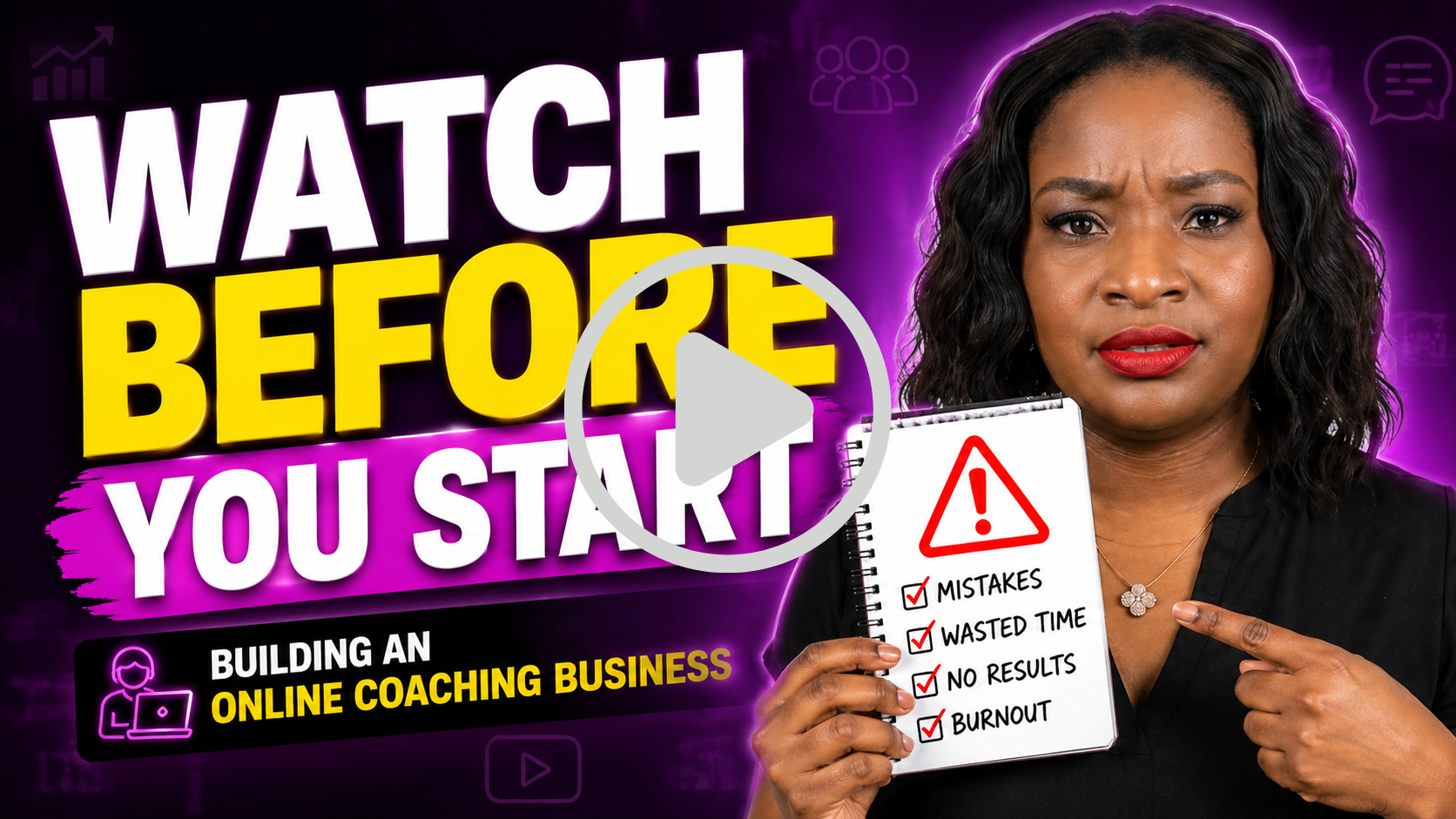 0 Comments 0 Shares 4K Views 0 Reviews


More Stories
© 2026 NetworQ Social -Build a Community That Learns, Shares, and Earns
 English
English
 French
 Spanish
 Portuguese
 Deutsch
 Turkish
 Dutch
Dutch
 Italiano
 Russian
 Romaian
 Portuguese (Brazil)
 Greek
Greek